Solution

Manufacturer agnostic plug-and-play technology​

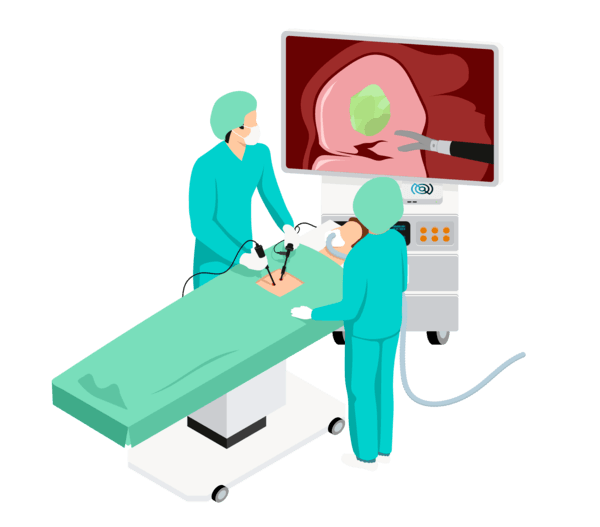
Our solution is a software-based intraoperative AR tool designed for minimally invasive surgery. By leveraging existing surgical equipment, our technology overlays an AR filter on the live video feed, giving surgeons real-time insights of anatomical structures within the organ of interest.

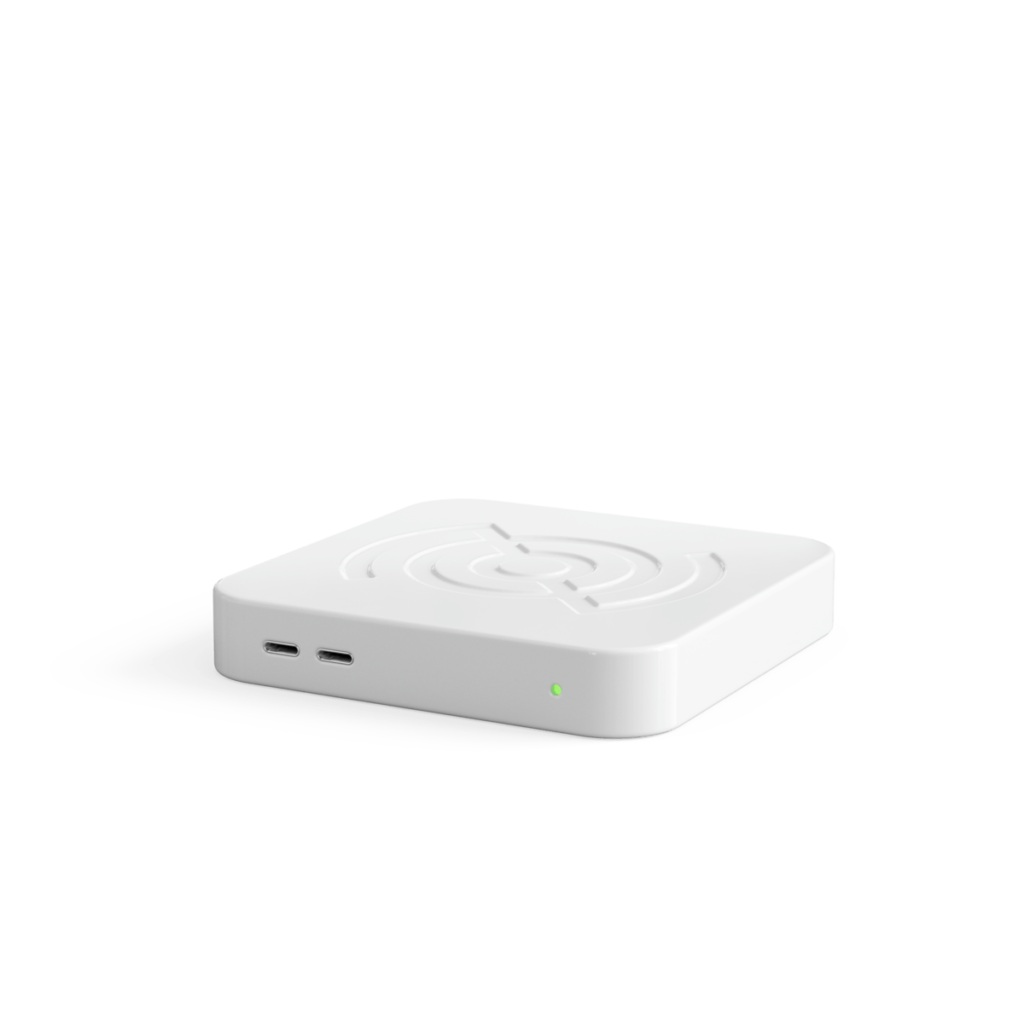
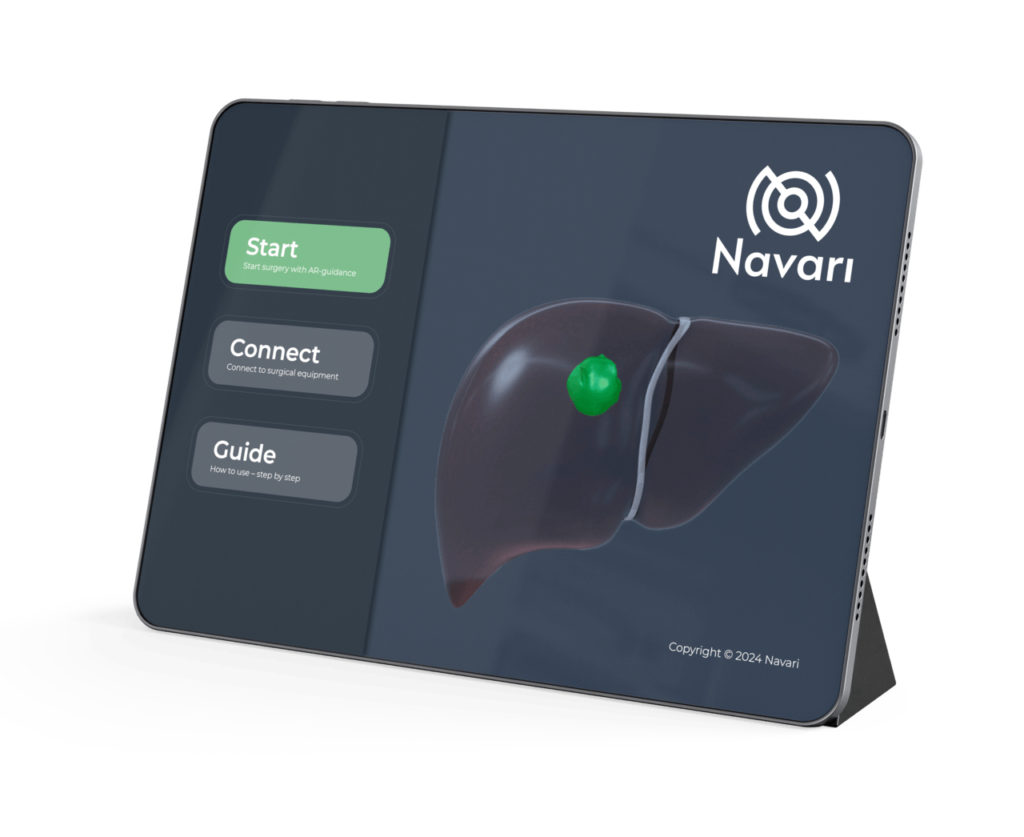
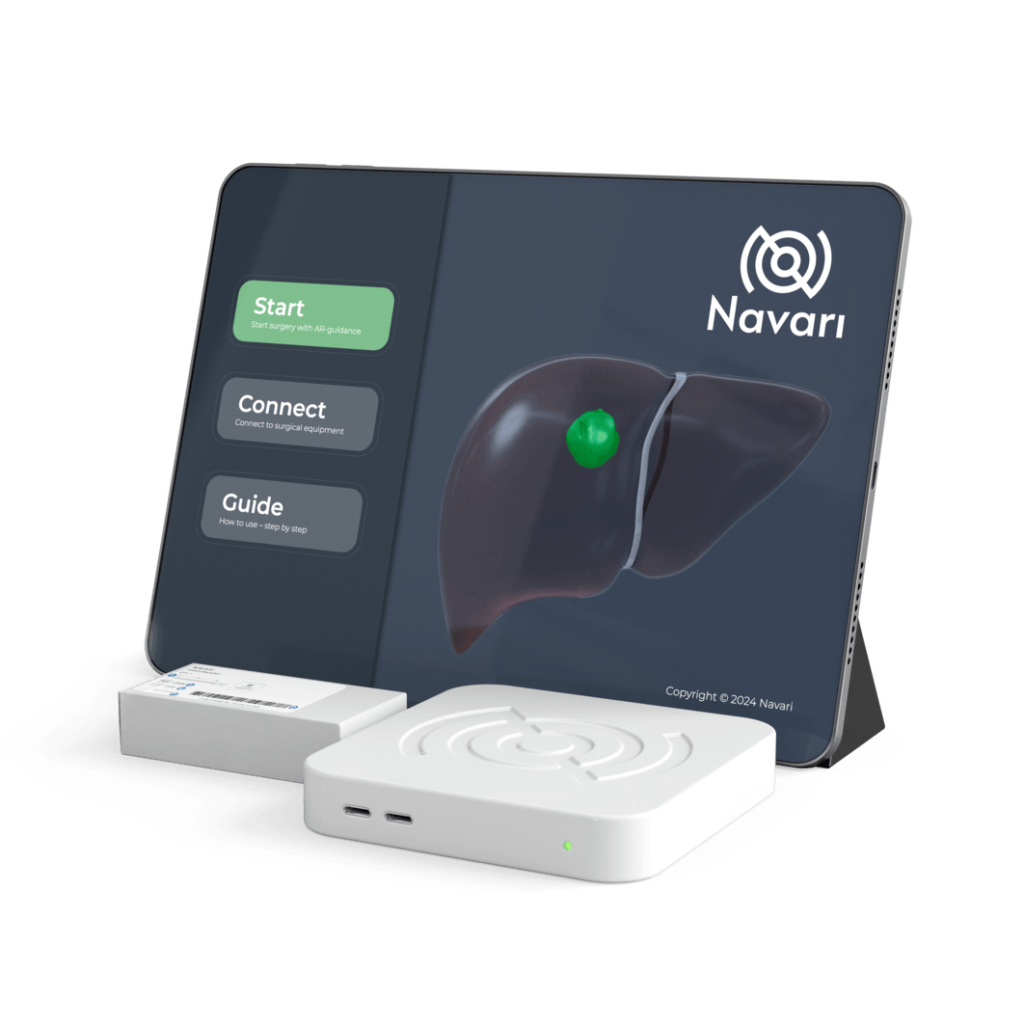
The first commercial product built on this platform will focus on liver cancer. It includes two hardware components:

  • A plug-and-play box that connects directly to existing camera equipment, seamlessly integrating the AR filter into the surgical video feed.
  • A tablet interface that allows the surgeon to interact with the software, customize options, and adjust visual elements as needed


Additionally, a single-use medical device will be offered as part of the product package.
Overcoming today's challenges

The biggest barrier to wider adoption of minimally invasive surgery for abdominal cancers is the complexity of the procedures. Surgeons face significant challenges, including limited visualization, lack of depth perception, difficulty navigating complex anatomies, absence of tactile feedback, and the risk of not fully removing tumors. Overcoming these obstacles is essential to accelerate the shift from traditional open surgeries to minimally invasive approaches, reducing the burden on patients, surgeons, and healthcare systems worldwide.

Facilitating minimally invasive surgery

Our technology improves visualization and simplifies procedures for surgeons performing minimally invasive surgery. It also shortens the learning curve for new surgeons and those transitioning from open surgery, making minimally invasive surgery the obvious choice.

Enabling treatment of more patients

Expanding the use of minimally invasive surgery shortens hospital stays and reduces complications. This frees up capacity, allowing hospitals to treat more patients with the same staff and infrastructure while improving overall efficiency

Substantial cost reductions

By reducing the duration of hospital stays, lowering complication rates, and speeding up recovery, more patients can be treated within the same healthcare infrastructure, using fewer resources. This enables a significant reduction in hospital costs.

How it works

 Connect the plug-and-play box to the surgical camera equipment and prepare the patient for surgery following standard procedures.

Insert the single-use device, generate input data with an imaging modality, and use the tablet to segment and plan the AR overlay.

Once ready, press start and perform surgery with intraoperative AR-guidance in real time.